The Challenges Facing Women and Children Affected by Incarceration in Kenya
For many women in Kenya, incarceration affects far more than the individual—it can destabilize an entire family.
Women may spend extended periods in pretrial detention while awaiting the resolution of their cases. Kenya's official 2025 statistics show that 10,752 women were committed to remand during the year, compared with 5,464 female convicted-prisoner commitments. Kenya National Bureau of Statistics
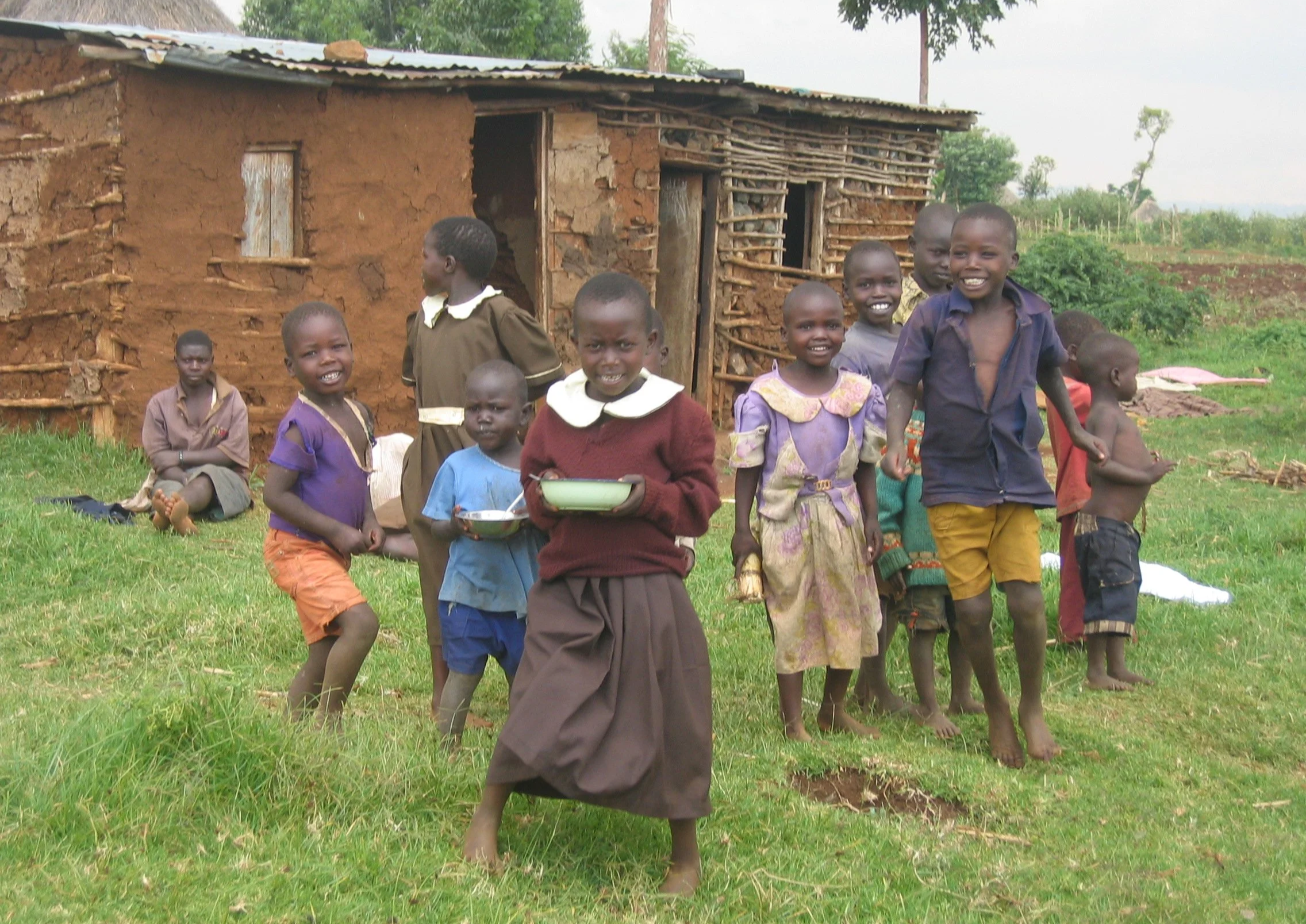
For mothers, the consequences can be especially severe. Children may be separated from their primary caregiver and sent to live with relatives. When family support is unavailable, children can face disrupted education, inadequate nutrition, unstable housing, and other serious vulnerabilities.
Research on women in pretrial detention in Kenya found that more than 80% of the women interviewed had children, illustrating how women's incarceration can affect entire families rather than only the person detained. MDPI
Poverty, Incarceration, and Family Instability
Poverty remains a significant challenge in Kenya. World Bank data puts Kenya's poverty headcount at 45.5% at $3.00 per day using the 2021 purchasing-power-parity measure, underscoring the economic vulnerability facing millions of families. World Bank Open Data
Poverty can limit access to education, stable employment, legal representation, healthcare, and other resources families need to thrive. Research on women offenders in Kenya has also found a strong connection between economic hardship and offending: in one study, nearly 70% of women interviewed said they had committed an offense to earn money and support their families, and five out of six had children. Penal Reform International
Children are particularly vulnerable when poverty and the incarceration of a parent occur together. A 2025 study from UNICEF, the Kenya National Bureau of Statistics, and UN Women describes child vulnerability in Kenya as multidimensional, with poverty limiting access to education, healthcare, nutrition, and protection. UNICEF
The Challenge Doesn't End at Release
Leaving prison does not necessarily mean the end of hardship.
Women returning to their communities may face stigma, unemployment, damaged relationships, and difficulty finding safe housing or sustainable income. Research in Kenya has documented deterioration in family relationships during women's detention as well as significant barriers to community reintegration following incarceration. MDPI
For a mother trying to reunite with her children, these barriers can make rebuilding a stable family extraordinarily difficult.
That is the gap Building Families For Tomorrow was created to address.
BFFT works with women and children affected by incarceration in Kenya, providing a pathway from instability to restoration through safe care for children, counseling, biblical discipleship, education, vocational and business training, family reunification, and transitional support.
When a mother is given the opportunity to rebuild her life and a child is given safety, education, and stability, the cycle can begin to change.